
Walls Finished Smooth and Ready for Paint
Drywall Repair and Installation in Davenport for holes from fixtures, cracks along seams, or water-damaged ceilings
Holes remain where light fixtures were moved, cracks follow ceiling seams after the house settles, and water stains show through paint on drywall that stayed wet too long. Dreamwork Painting Inc handles small patches, hole repairs, and full drywall installations with smooth finishing that prepares surfaces for painting. Repairs are blended seamlessly with existing walls and ceilings so that patched areas don't show through paint as texture differences or slight depressions. The service addresses damage from wear, moisture, or remodeling and is a common add-on to interior painting projects where wall preparation determines the final paint appearance.
Drywall repair involves cutting out damaged sections, installing backer boards where needed for support, and applying joint compound in layers that are sanded smooth between coats. Full installations require measuring and cutting sheets to fit room dimensions, securing them to studs, taping seams, and finishing joints with compound until the surface is level and ready for primer. Each layer of compound shrinks slightly as it dries, which is why multiple coats are necessary to achieve a flush finish that won't telegraph through paint.
Schedule a consultation to review damaged areas and determine whether patching or full panel replacement will produce the best result.
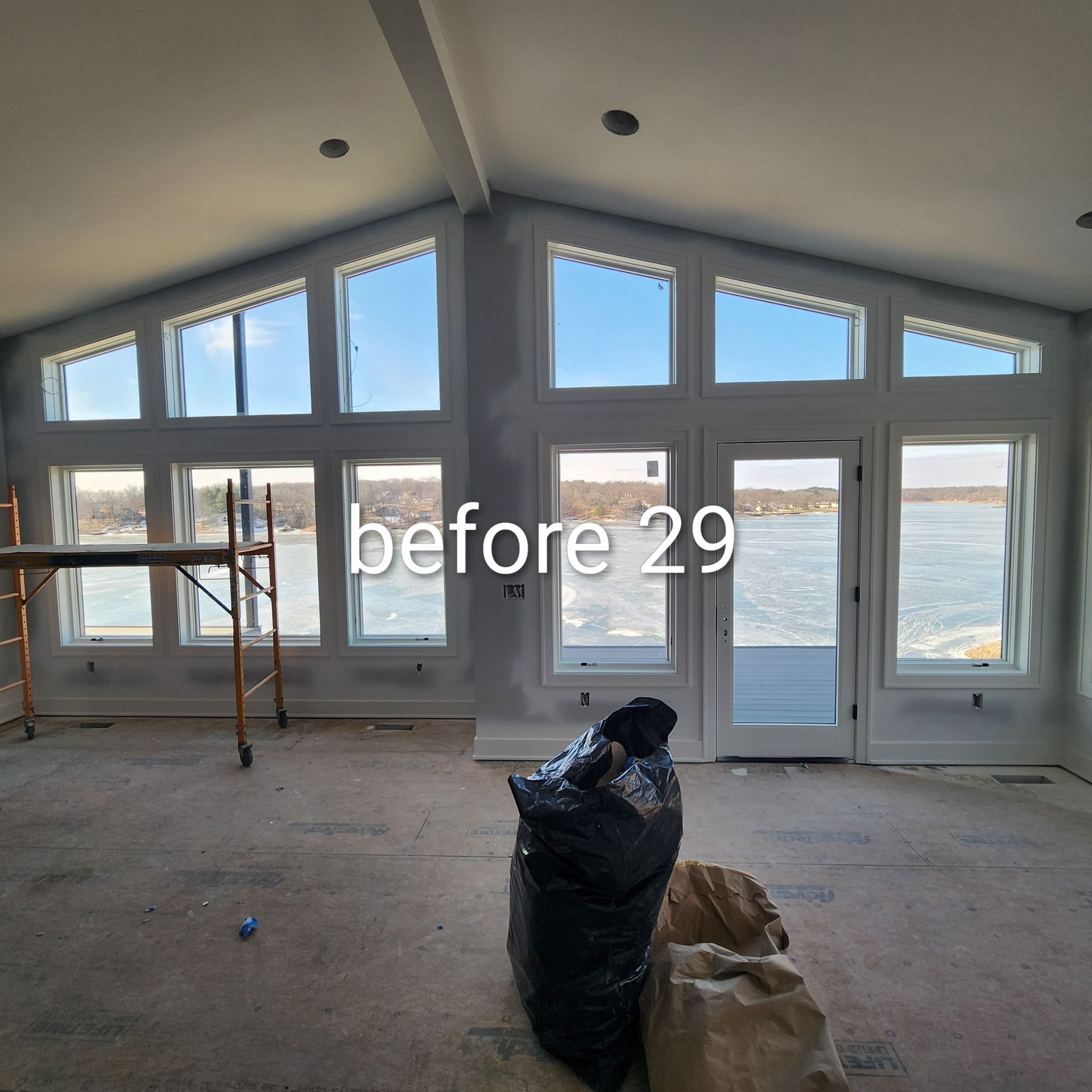
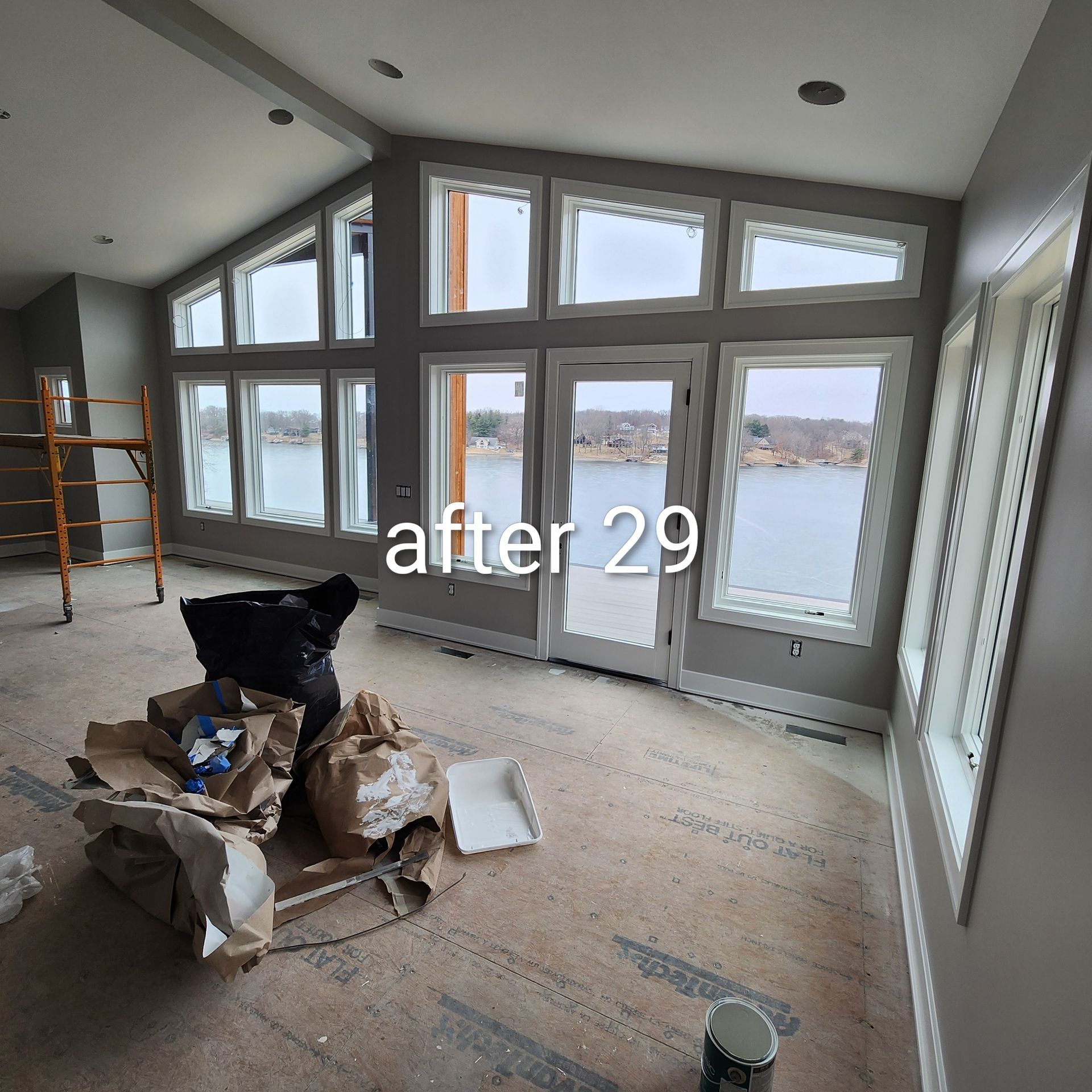
Why Multiple Compound Coats Prevent Visible Repairs
Joint compound shrinks as moisture evaporates, leaving a slight depression if only one coat is applied. Applying three coats—embedding tape with the first, filling the recess with the second, and feathering edges with the third—builds the surface level with surrounding drywall. Sanding between coats removes ridges and high spots, creating a smooth transition that disappears under primer and paint. Skipping coats or insufficient sanding leaves texture differences that show as shadows once paint reflects light across the wall.
Once repairs are finished, walls feel smooth to the touch without depressions or raised edges where patches were made. Ceilings show no cracks along seams, and holes where fixtures hung are completely invisible under primer. Water-damaged sections no longer sag or show brown staining, replaced with new drywall that matches the surrounding texture. The surface is ready for paint without additional prep, and the finished wall looks uniform in color and sheen.
The service includes matching existing wall texture when repairs involve textured surfaces like knockdown or orange peel finishes. Small holes from nails or screws are filled with spackling compound rather than full joint compound, which dries faster and requires less sanding. Large holes or sections damaged by water require cutting back to the nearest studs and installing new drywall sections secured with screws spaced according to building standards.
What Property Owners Ask About Drywall Work
Drywall repair and installation raise practical questions about when patching is sufficient versus when full replacement makes sense, especially for older homes in Davenport where settling causes recurring cracks.
What types of damage can be patched versus replaced?
Small holes under six inches and hairline cracks can be patched with compound and tape, while larger holes, sagging sections, or water-damaged areas need full panel replacement. Damage extending across multiple studs or involving mold growth behind the drywall requires cutting back to clean framing and installing new sections.
How does the repair process blend with existing walls?
Patches are feathered outward with joint compound so the edges taper smoothly into the surrounding surface, then sanded until no ridge is detectable by touch. Priming the entire wall rather than just the patch prevents color differences where new compound absorbs paint differently than aged drywall.
Why do some repairs crack again after being fixed?
Cracks along seams often result from structural movement as the house settles, which stresses the joint compound until it fractures. Using fiberglass mesh tape instead of paper tape and applying flexible compound reduces the chance of re-cracking, though some movement will always stress rigid materials.
What preparation happens before drywall installation during remodels?
Framing is inspected to ensure studs are straight and properly spaced, and any electrical or plumbing work is completed before panels are hung. Insulation is installed between studs if needed, and vapor barriers are checked to prevent moisture issues that could damage the new drywall.
How long does joint compound take to dry between coats?
Drying time depends on humidity and temperature, but most coats need twenty-four hours before sanding and applying the next layer. Rushing the process by sanding wet compound creates rough texture and prevents proper adhesion of subsequent coats.
Dreamwork Painting Inc ensures drywall surfaces are smooth and defect-free before any paint application, whether repairing minor damage or installing full panels during remodeling projects. Contact us to discuss your wall repair needs and plan the prep work required for a flawless paint finish.