
Pieces That Match Your Current Style
Furniture Painting in Davenport for outdated finishes, worn surfaces, or pieces that no longer fit room color schemes
Furniture replacement becomes expensive when solid wood pieces remain structurally sound but no longer match updated room colors or design preferences. Custom refinishing addresses this gap by applying durable coatings to existing furniture, creating updated appearances without the cost of new purchases. Dreamwork Painting Inc provides furniture painting services in Davenport that include sanding, detailed prep work, and professional finishes suitable for both modern and traditional styles, allowing homeowners to preserve quality pieces while achieving current aesthetic goals.
The refinishing process removes old finish through sanding, creating a clean surface for primer adhesion. Detailed prep work addresses scratches, dents, or joint repairs that affect final appearance, followed by coating application that builds a smooth, durable finish. The level of surface preparation and number of coats applied determines finish quality and longevity under daily use.
Schedule a consultation to review furniture pieces and discuss finish options that complement your space.
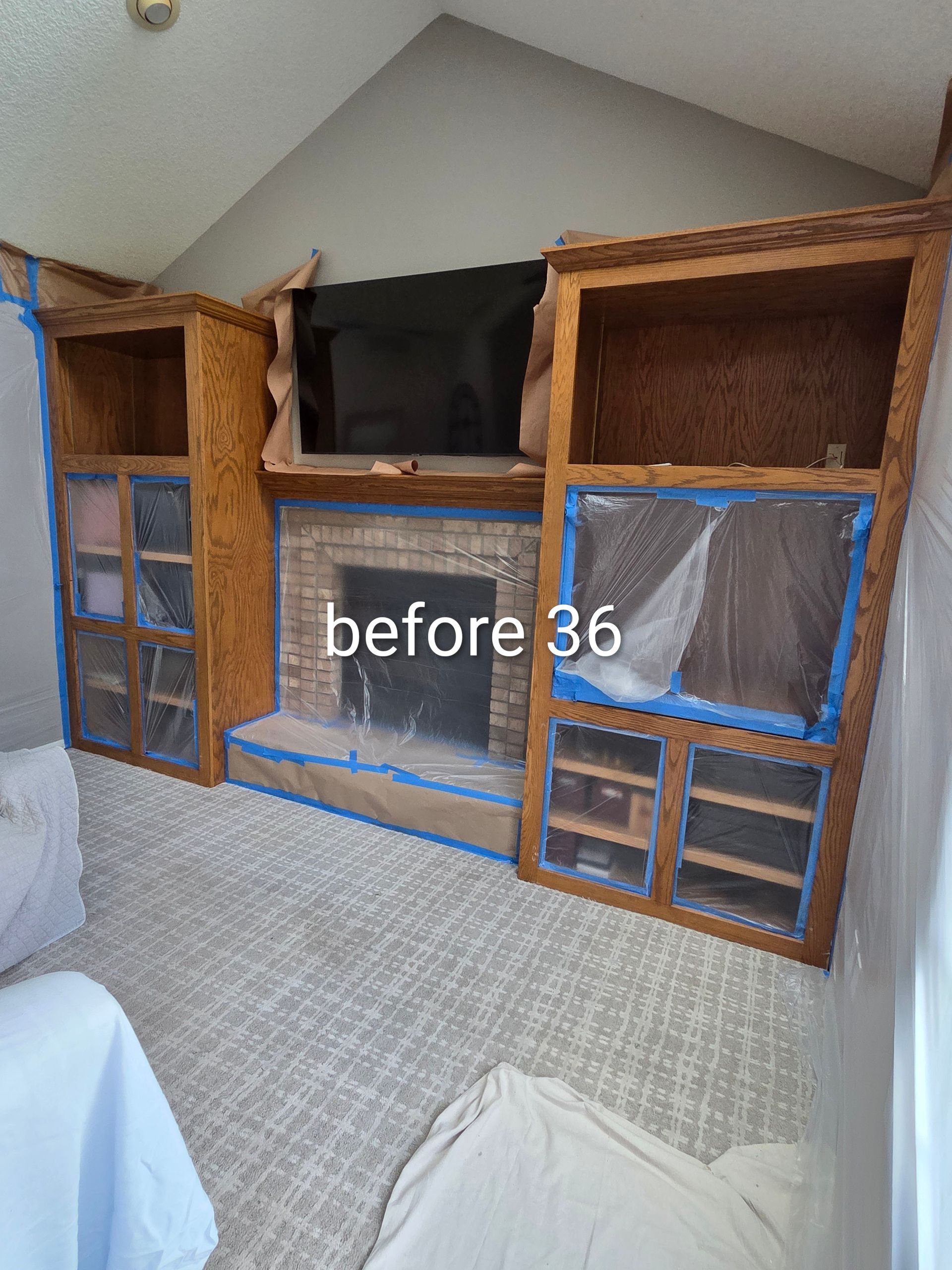
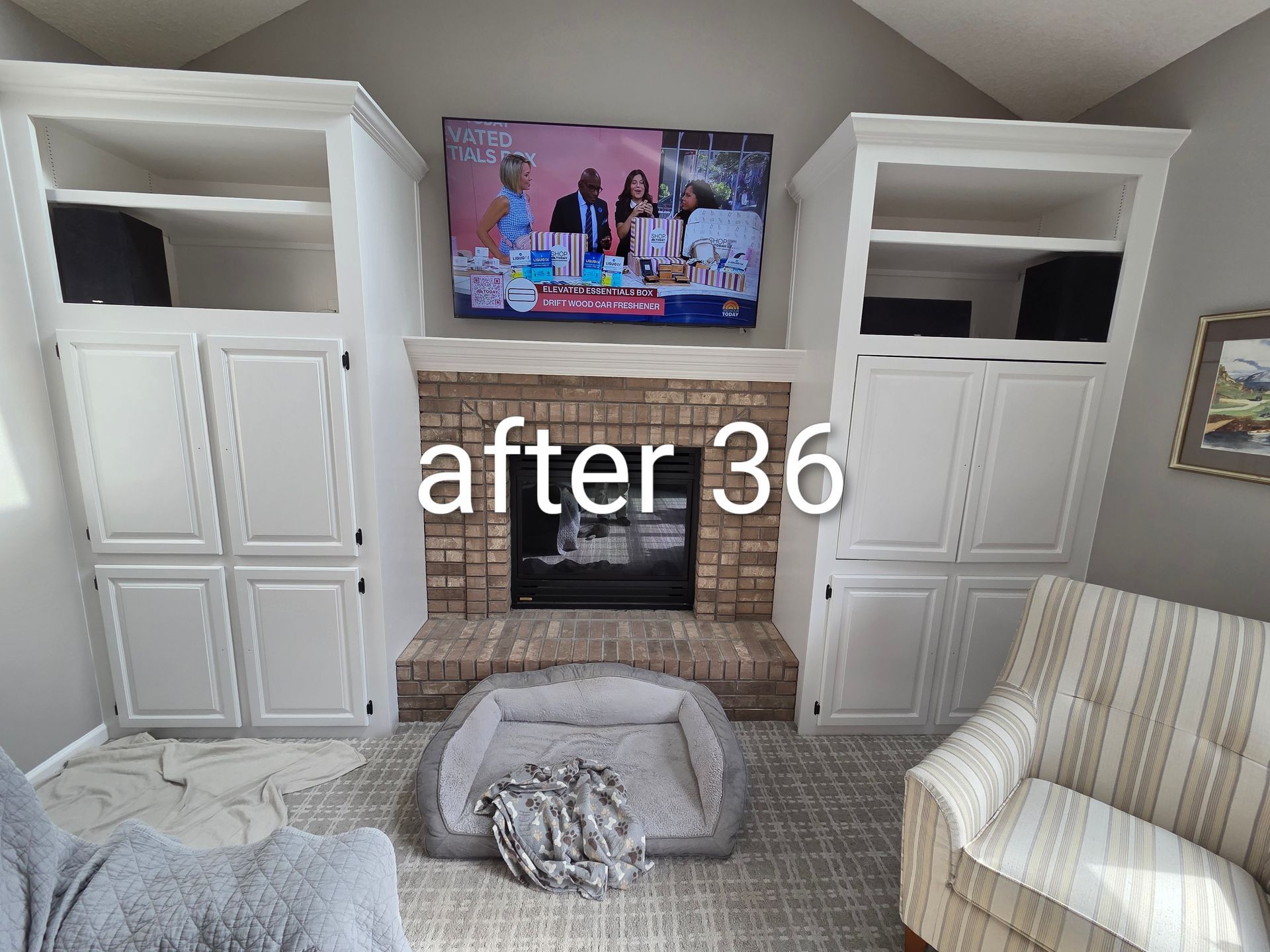
How Refinishing Compares to Replacement
Quality furniture constructed from solid wood accepts refinishing without structural concerns, whereas particleboard or veneer pieces often show edge damage or delamination that limits coating options. Sanding removes existing finish and smooths surface imperfections, but must be controlled to avoid removing too much material or cutting through thin veneers. Multiple thin coats build finish thickness gradually, allowing proper curing between applications that creates hardness comparable to factory finishes.
After refinishing, furniture surfaces show consistent color without streaks or brush marks, smooth texture that resists snagging, and protective coating that handles daily contact without immediate wear. The finish transforms outdated wood tones or damaged surfaces into pieces that coordinate with current room palettes, extending furniture life and preserving items with sentimental or quality construction value.
The service provides cost-effective alternatives to replacement for dining tables, dressers, nightstands, and other case goods where structure remains sound but appearance no longer meets expectations. Attention to detail during prep and application stages determines whether the finished piece appears professionally refinished or shows amateur characteristics such as drips, uneven coverage, or visible brush strokes.
Typical Furniture Refinishing Concerns
Furniture painting decisions involve understanding which pieces are good candidates for refinishing and what finish characteristics to expect compared to original factory coatings or new furniture purchases.
What furniture types work best for refinishing?
Solid wood pieces with intact joinery and minimal veneer damage accept refinishing well, while particleboard furniture or items with extensive structural damage typically do not justify the labor investment required for quality results.
How does painted furniture durability compare to stained or clear-coated finishes?
Paint creates a thicker protective layer that hides wood grain and surface imperfections while providing excellent resistance to moisture and handling, whereas stain and clear coats highlight natural wood character but show wear more readily on high-contact surfaces.
Why does furniture sometimes require multiple prep coats before final color?
Porous woods or previously stained pieces may absorb paint unevenly, causing blotchy appearance unless sealed with primer or base coats that create uniform surface porosity before topcoat application.
What details require extra attention during furniture painting?
Inside edges, carved details, and corner joints accumulate excess coating if application technique does not account for these areas, while drawer faces and door panels require consistent coverage to avoid color variation visible when pieces are opened.
How long does refinished furniture require for full curing before normal use?
Most furniture coatings reach handling strength within 24 to 48 hours but continue hardening for two to four weeks, during which time heavy objects or aggressive cleaning should be avoided to prevent surface marring common in Davenport homes during initial curing periods.
Dreamwork Painting Inc evaluates furniture construction and existing finish condition to recommend appropriate refinishing approaches and realistic outcome expectations. Contact us at (563) 340-9011 to discuss specific pieces and desired finish characteristics.