
Spaces That Look Finished and Feel Intentional
Interior Painting in Davenport for rooms showing uneven coverage, visible wear, or outdated color schemes
Walls fade unevenly near windows, trim edges collect dust in the grain, and baseboards show scuffs that won't wipe clean. Dreamwork Painting Inc handles interior painting across Davenport and surrounding areas with a structured process that follows a specific order: ceilings first, then trim, and finally walls. This sequence prevents overspray issues and keeps each surface clean as the next layer goes on, which matters when you're working with coffered ceilings or custom finishes that require precision.
The service covers walls, ceilings, trim, doors, baseboards, coffered ceilings, and custom finishes including epoxy floors. Preparation involves patching holes and cracks, sanding surfaces smooth, and protecting floors and furniture with coverings. High-quality paints are applied with attention to even coverage, which prevents streaking and reduces the number of coats needed. The process works for remodels where old paint needs removal, repaints where color changes require proper priming, and new construction interiors where drywall texture dictates roller selection.
Schedule a walkthrough to review which surfaces need prep work and discuss finish options for your interior project.
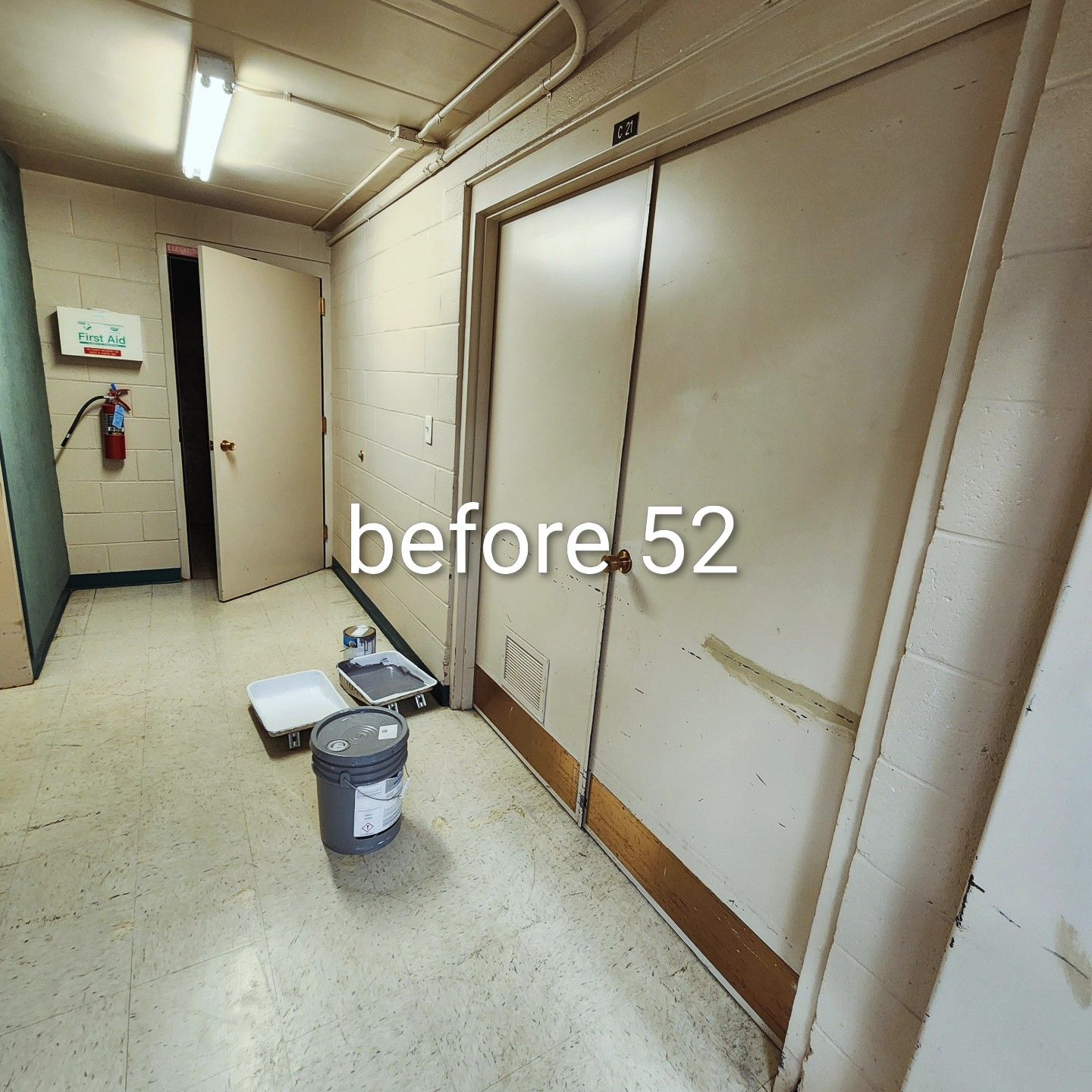
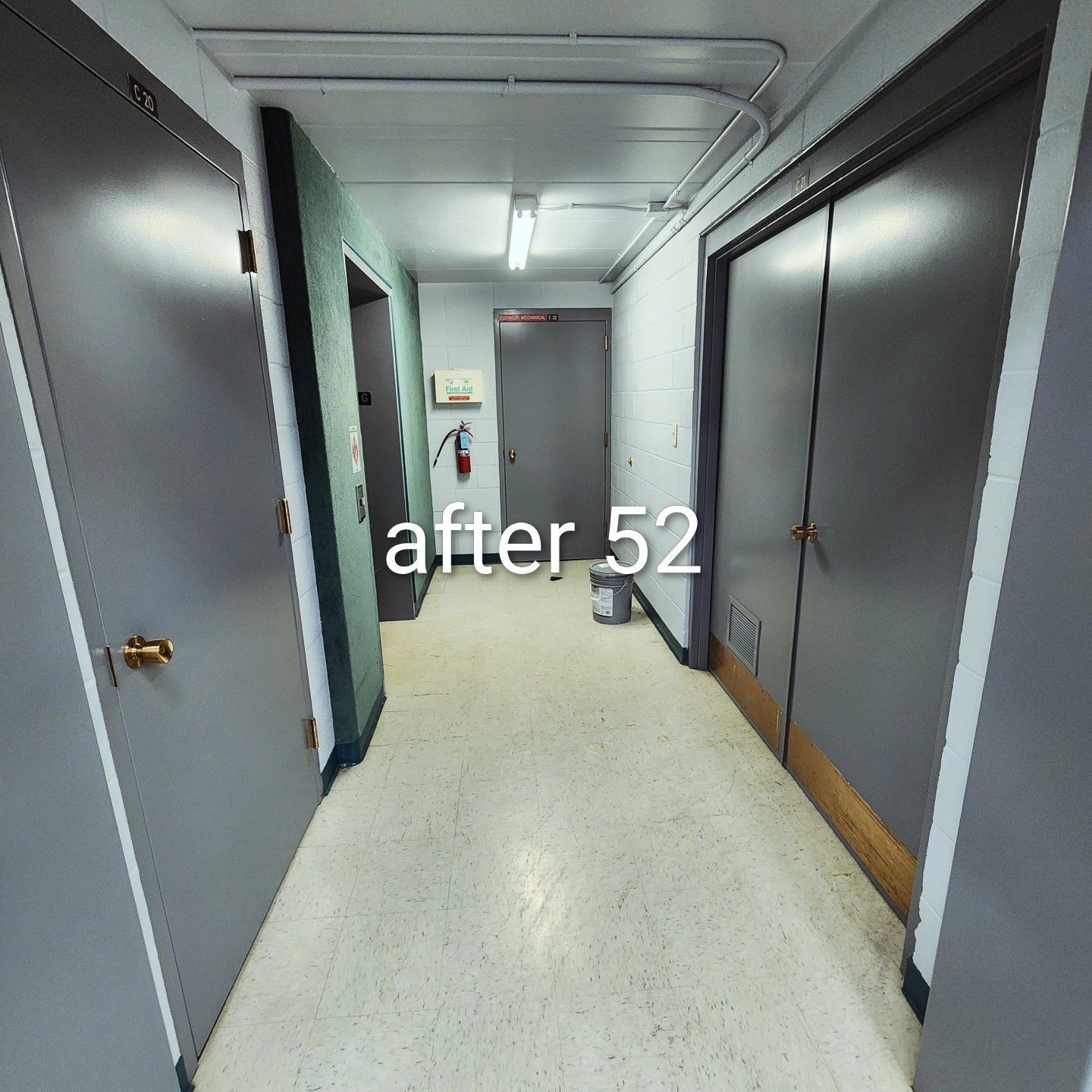
How the Painting Sequence Prevents Common Problems
Ceilings are painted first because any drips or overspray land on unpainted trim and walls, which will be covered in later steps. Trim follows next, allowing for crisp edges that define the room's structure without worrying about wall contact. Walls come last, rolled carefully up to the already-finished trim for clean lines. This order eliminates the need for excessive taping and reduces touch-up work, especially in rooms with detailed millwork or coffered ceiling sections that require multiple angles of application.
Once the final coat dries, walls show uniform color without lap marks, trim edges appear sharp without bleeding, and ceilings reflect light evenly across the entire surface. Baseboards no longer show the scuff marks or chipped edges that collected over years of use. Doors close smoothly without paint buildup along the edges, and any custom wall designs or accent finishes stand out clearly against the surrounding neutral tones.
The service includes surface protection during the job, which means floors stay clean and fixtures remain covered until all coats cure. Custom finishes like epoxy floors require separate prep and application steps, often completed after wall and trim work to avoid tracking paint onto the newly finished surface. Coffered ceilings take longer due to the number of individual panels and edges, but the result is a seamless look where each section matches in sheen and tone.
What Homeowners Ask About Interior Work
Interior painting projects in Davenport often raise questions about timing, preparation, and finish quality, especially when rooms have unique features or prior damage.
What preparation happens before painting starts?
Surfaces are patched where holes or cracks appear, then sanded smooth to eliminate texture differences. Trim and walls are cleaned to remove dust and oils that prevent paint adhesion, and all floors, furniture, and fixtures are covered with drop cloths and plastic sheeting.
How does the structured painting order improve results?
Painting ceilings first prevents overspray on trim and walls, trim second allows for clean edges without taping walls, and walls last ensures no accidental contact with finished surfaces. This sequence reduces touch-up work and keeps each layer clean as the next is applied.
What types of custom finishes are available for interior spaces?
Options include accent walls with contrasting colors, textured applications for visual interest, and epoxy floor coatings for basements or utility rooms. Each finish requires specific prep steps and materials selected based on the surface type and intended use.
Why do some rooms need more coats than others?
Dark colors covering light walls often require a tinted primer plus two finish coats to prevent the old color from showing through. New drywall needs a primer coat to seal the surface before any color goes on, while repaints over similar tones may only need one or two coats depending on the paint quality.
When is the best time to schedule interior painting in Davenport?
Winter months work well for interior projects since exterior work slows down and indoor spaces can be ventilated without humidity concerns. Scheduling during mild weather allows for faster drying times and easier air circulation through open windows.
Dreamwork Painting Inc completes interior projects with attention to surface prep and application order, ensuring walls, trim, and ceilings look finished without visible flaws. Request an estimate that includes room measurements and surface conditions to plan your interior refresh.